Cosmetic dentistry has changed significantly in recent years. More patients are now looking for treatments that feel natural, personal and carefully planned, rather than dramatic changes that look obvious or overly perfect.
In 2026, cosmetic dentistry continues to move towards subtle smile improvements that work with a person’s facial features, lifestyle, oral health and expectations. Instead of creating the same type of smile for every patient, modern cosmetic dental care focuses on balance, proportion and individuality.
This shift is supported by digital smile design, advanced imaging, dental veneers, professional teeth whitening, smile makeover planning and facially driven cosmetic dentistry. These treatments may help patients explore smile improvements in a more personalised and informed way.
In this article, we look at 8 key cosmetic dentistry trends for 2026, from natural-looking smile makeovers and digital smile design to veneers, teeth whitening and full-face smile planning.
8 Key Cosmetic Dentistry Trends for 2026
1. Natural-Looking Smile Makeovers
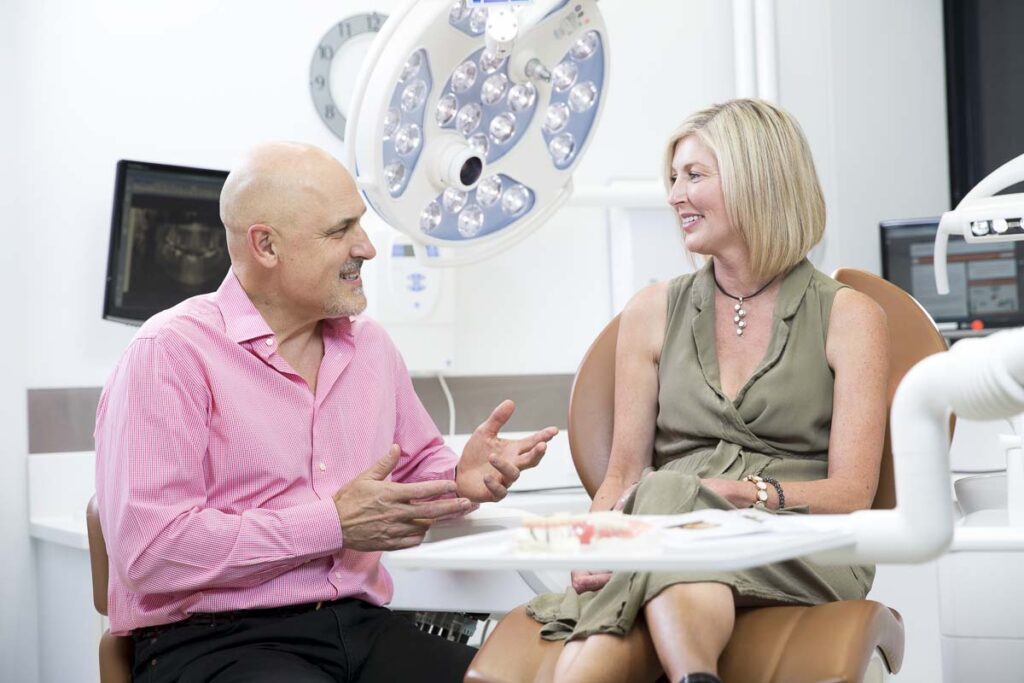
One of the biggest cosmetic dentistry trends in 2026 is the demand for natural-looking smile makeovers.
Many patients no longer want teeth that appear extremely white, flat or perfectly uniform. Instead, they are looking for smiles that look healthy, balanced and realistic. The goal is often to enhance the smile while still allowing the person to look like themselves.
A natural-looking smile makeover may consider:
- Tooth shape and size
- Tooth colour and translucency
- Smile symmetry
- Gum balance
- Facial proportions
- Age, skin tone and personal preferences
This approach recognises that a smile that suits one person may not suit another. For some patients, a small improvement in colour may be enough. For others, a more detailed treatment plan involving veneers, teeth whitening or a complete smile makeover may be considered.
The focus is not simply on making teeth look perfect. It is about creating a smile that feels harmonious, confident and appropriate for the individual.
2. Digital Smile Design and AI-Assisted Planning
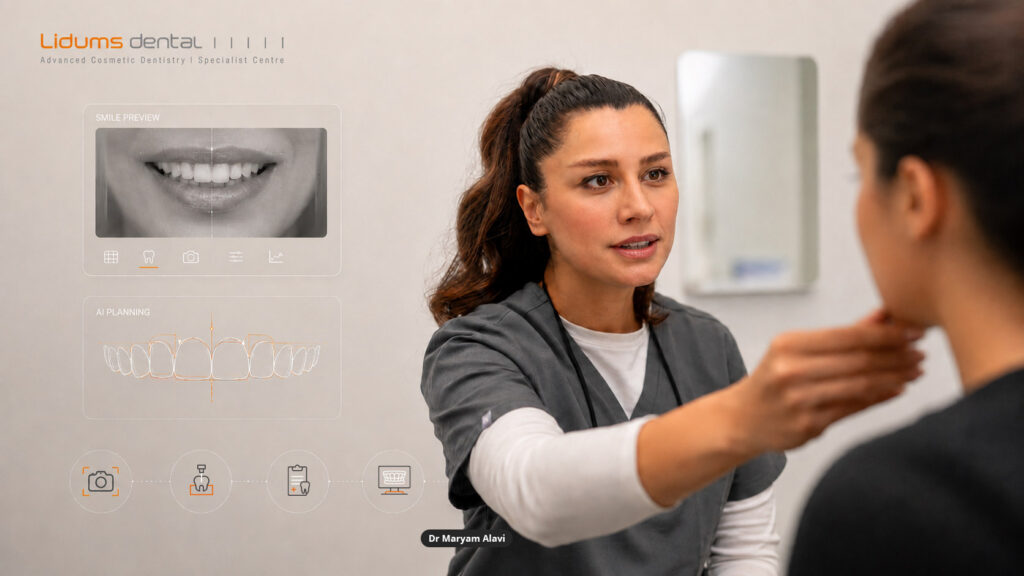
Digital smile design is becoming an important part of cosmetic dental planning. It may involve photographs, digital scans, imaging software and treatment simulations to help patients better understand their possible treatment options.
These tools can support communication between the patient and dentist. They may make it easier to discuss goals, review proportions and consider how different treatments could affect the final appearance of the smile.
- Smile makeovers
- Dental Veneers
- Dental Crowns
- Orthodontic treatment
- Gum contouring
AI-assisted dental analysis and digital planning tools are also becoming more common in dentistry. These tools may assist with assessing smile symmetry, tooth proportions and facial balance. However, they do not replace a clinical examination.
A dentist still needs to assess oral health, bite alignment, enamel condition, gum health and the patient’s long-term goals before recommending any cosmetic treatment.
3. More Conservative Veneer Planning
Dental veneers remain one of the most popular cosmetic dental treatments, but the way they are planned is changing.
In 2026, many patients are interested in more natural and conservative veneer results. Rather than creating a smile that looks overly white or uniform, modern veneer planning focuses on shape, shade, proportion and how the teeth fit the face.
Dental veneers may be considered for concerns such as:
- Mild discolouration
- Uneven tooth edges
- Small shape irregularities
- Slight asymmetry
- Worn or aged-looking teeth
- Teeth that appear short, narrow or uneven
The appeal of modern veneer planning is that it may help improve the appearance of the smile while still aiming for a result that looks natural and balanced.
However, veneers are not suitable for everyone. Suitability depends on several factors, including tooth position, enamel thickness, bite alignment, grinding habits, gum health and the patient’s expectations.
A consultation is important to determine whether veneers are suitable and what type of result may be achievable.
4. Facially Driven Smile Design
Another important trend in cosmetic dentistry is designing the smile around the whole face, not just the teeth.
This is where facially driven smile design becomes important. The smile should work with the lips, cheeks, jawline, facial proportions and overall appearance. A beautiful smile is not only about tooth colour. It is also about balance.
Facially driven smile design may consider:
- Tooth length and width
- Smile curve
- Lip support
- Gum display
- Smile width
- Facial symmetry
- Jawline and lower-face balance
This type of planning helps avoid a smile that looks disconnected from the rest of the face. For example, some patients may suit softer, more rounded tooth shapes, while others may suit a more structured or defined smile design.
The goal is to create a smile that enhances the face naturally, rather than making the teeth look artificial or overdone.
5. Teeth Whitening That Looks More Natural
Teeth whitening continues to be one of the most requested cosmetic dental treatments. In 2026, the trend is moving towards a brighter but still natural-looking smile.
Many patients are no longer aiming for an extremely white shade. Instead, they want teeth that look cleaner, fresher and healthier without appearing artificial.
Professional teeth whitening may include in-chair whitening, take-home whitening kits or a combination of both. A dentist can assess the condition of the teeth and recommend an option based on factors such as enamel health, existing restorations, tooth sensitivity and the type of staining present.
It is also important to understand that whitening does not work the same way for everyone. Existing crowns, veneers and fillings usually do not change colour with whitening treatment. Some types of staining may also respond differently.
Professional advice is recommended before starting whitening treatment, especially for patients with sensitive teeth, existing dental restorations or uneven tooth colour.
6. Smile Makeovers with a Softer, More Natural Finish
Smile makeovers are becoming more refined. In 2026, many patients are looking for results that feel polished, but not obvious.
A smile makeover may involve one treatment or a combination of treatments, depending on the patient’s concerns, oral health and goals. The aim is to improve the overall appearance of the smile while keeping the result natural and suitable for the person’s face.
A smile makeover may help address:
- Tooth colour
- Tooth shape
- Worn or uneven teeth
- Smile symmetry
- Gum balance
- Old or mismatched dental work
- A smile that appears aged or tired
Rather than focusing on a single tooth, smile makeover planning looks at the bigger picture. The dentist may consider how the teeth appear when talking, smiling and resting, as well as how the smile works with the lips and face.
This personalised approach can help create a result that feels more natural and long-lasting.
7. Full-Face Smile Planning
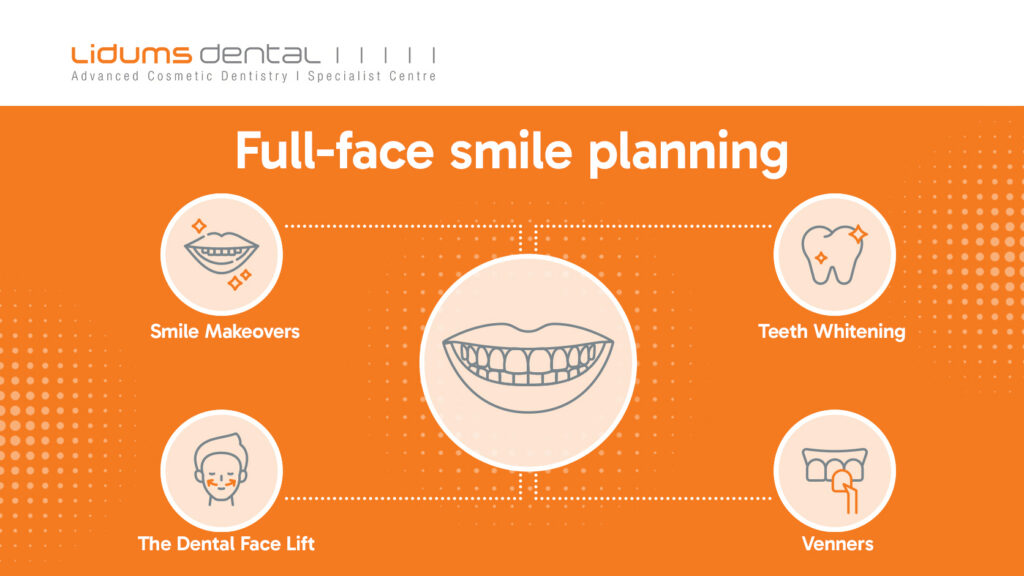
Cosmetic dentistry is no longer focused only on individual teeth. In 2026, more attention is being placed on how the smile fits within the whole face.
This is often described as full-face smile planning. It considers how the teeth, gums, lips, jawline and facial features work together. A smile that looks beautiful on one person may not suit another, which is why facial balance is becoming such an important part of cosmetic dental planning.
Full-face smile planning may consider:
- Tooth size and shape
- Smile width
- Lip position
- Gum display
- Facial proportions
- Smile symmetry
- Bite support and lower-face balance
Depending on the patient’s needs, treatments such as dental veneers, teeth whitening, smile makeovers or the dental face lift may be considered as part of a broader cosmetic plan. These options may help improve tooth colour, shape, proportion and overall smile harmony in a way that supports the patient’s natural facial features.
This approach helps avoid a smile that looks disconnected from the rest of the face. For example, some patients may suit softer, more rounded tooth shapes, while others may suit slightly more defined contours.
The aim is not to make the smile look artificial or overdone. It is to create a result that feels natural, balanced and supportive of the patient’s overall appearance.
8. Personalised Treatment Planning Instead of One-Size-Fits-All Dentistry
One of the strongest cosmetic dentistry trends for 2026 is the move away from one-size-fits-all treatment.
Every patient has different teeth, facial features, oral health needs, budgets and expectations. A treatment that works well for one person may not be suitable for another.
A personalised cosmetic dental plan may consider:
- Tooth and gum health
- Enamel condition
- Existing dental work
- Bite and tooth wear
- Smile proportions
- Facial balance
- Desired level of change
- Long-term maintenance needs
For example, one patient may only need teeth whitening to refresh their smile. Another may benefit from veneers to improve tooth shape and proportion. Someone else may need a more comprehensive smile makeover or Dental Face Lift approach.
This personalised planning helps the dentist recommend treatment that balances appearance, oral health and function.
Why a Cosmetic Dentistry Consultation Matters
Cosmetic dentistry should never be approached as a quick or one-size-fits-all decision.
Before recommending treatment, a dentist needs to understand your smile, your oral health, your facial features and what you want to achieve. This helps create a plan that is realistic, natural-looking and suitable for your long-term dental health.
During a cosmetic dental consultation, a dentist may assess:
- Tooth and gum health
- Bite alignment
- Enamel condition
- Existing dental work
- Smile proportions
- Facial balance
- Treatment expectations
- Long-term maintenance needs
If you are considering cosmetic dentistry in Adelaide, a consultation can help you understand which options may be suitable for your smile and what to expect from treatment planning.
Book a Cosmetic Dental Consultation
Interested in improving your smile in a natural and personalised way?
Book a consultation with an experienced dental professional to discuss your concerns, explore suitable treatment options and make an informed decision about your smile.